One-Sentence Answer
The most important AI trend in 2026 is not which model has the highest score. It is the shift from answering questions to helping people complete real work.
Why We Need a New Way to Think About AI
The AI conversation used to revolve around one question: which chatbot is smarter?
For everyday users, small businesses and creators, a better question is:
Can AI save time, improve output and reduce repetitive work?
The answer is becoming clearer. AI is no longer limited to writing a paragraph. It is starting to research information, handle files, generate images, use tools and assist with multi-step tasks.
Trend One: AI Is Moving From Answers to Actions
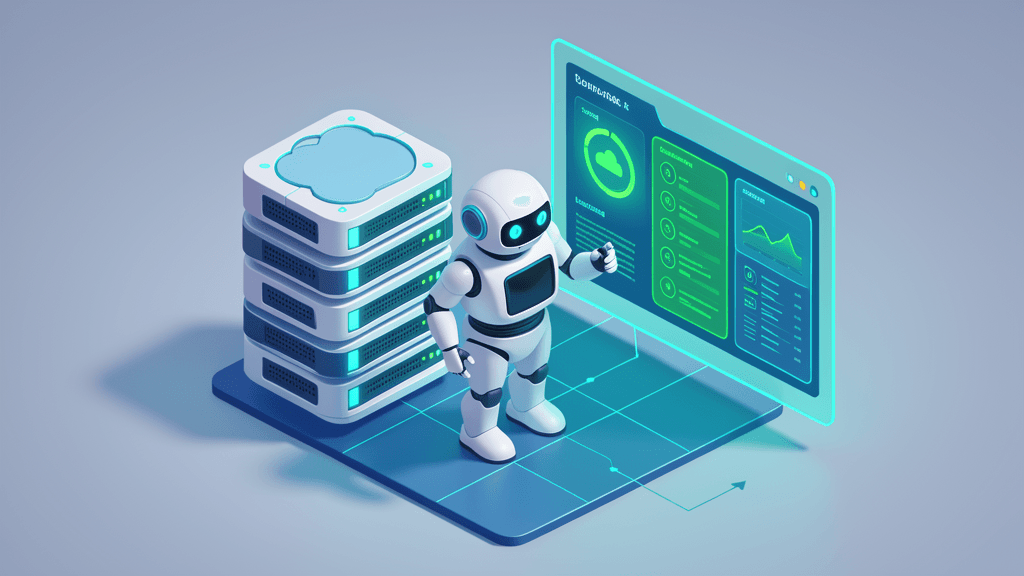
AI agents are one of the most important developments to watch.
OpenAI's introduction to ChatGPT agent describes an AI system that combines web browsing, research, code execution and file handling to help complete tasks. Users can interrupt the work, change direction and remain in control of important actions.
This changes how we can use AI.
Previously, you might ask: "Help me write an email."
Now you can ask: "Review these documents, identify the customer's main concerns, create a comparison table and draft a follow-up email."
Trend Two: Deep Research Is Becoming an Everyday Capability
Researching competitors, comparing products or understanding a market opportunity can take hours of browsing.
OpenAI's Deep Research shows a different workflow: AI conducts multi-step online research, analyzes many sources and produces a report with citations.
For small businesses, this can help with:
- Comparing competitor products and prices
- Organizing common customer questions
- Exploring new market opportunities
- Building a research base for articles, courses and presentations
The point is not to hand every judgment to AI. Let AI handle the first round of collection and organization, then make the decision yourself.
Trend Three: AI Images Are Entering Real Business Work
AI image generators used to feel like creative toys: good at making attractive pictures, but not always practical.
That is changing. ChatGPT Images 2.0 emphasizes greater precision and control. Google's Nano Banana Pro highlights text rendering, multilingual content, infographics and high-quality visual output.
For everyday users, this opens practical use cases:
- First drafts of product leaflets
- Social media visuals
- Article covers
- Presentation illustrations
- Concept images and infographics
Manual review is still necessary for prices, contact details and promotion conditions.
Trend Four: Multimodal AI Will Become the Default
"Multimodal" sounds technical, but the idea is simple: AI is learning to work with more than text. It can increasingly handle images, audio, files, spreadsheets and websites.
That makes AI more relevant to real work:
- A customer may send product photos
- A manager may give you a spreadsheet
- Important meeting notes may be hidden inside an audio recording
- Market information may be scattered across websites
The most useful AI tools will not only chat. They will understand different formats and turn them into practical outputs.
Trend Five: Workflows Matter More Than Clever Prompts
Prompts still matter, but a few impressive questions are not enough.
The better skill is building a repeatable AI workflow. For example, a small business owner could:
- Collect customer questions.
- Ask AI to categorize common pain points.
- Turn those pain points into social media topics.
- Generate a first draft of a promotional leaflet.
- Review the content manually before publishing.
- Improve the next round based on customer responses.
When this workflow repeats every week, AI becomes real productivity.
What Should You Do Now?
Do not try to learn ten tools at once. Choose one general-purpose AI assistant you are willing to use regularly, then find one task that already repeats every week.
Start with these questions:
- Which activity takes the most time each week?
- Which part is research, organization, drafting or repetitive communication?
- Which step still requires my judgment?
- Which step can AI complete 60% to 80% of first?
Conclusion
AI competition in 2026 is no longer only a comparison between chatbots.
The more important change is that AI is entering workflows and helping people research, design, organize information and complete tasks.
You do not need to follow every announcement. Pick a real problem, build one repeatable workflow and gradually turn AI into a practical work partner.
Continue Reading
- How can small businesses use ChatGPT? 10 practical use cases
- What is GEO? A practical guide to visibility in AI search
FAQ
Do everyday users need to follow every new AI model?
No. It is more useful to learn one general-purpose AI tool well and identify writing, organization, research or design tasks that repeat every week.
Will AI agents completely replace employees?
A more practical near-term view is that AI agents will handle parts of repetitive, multi-step work while humans continue to set goals, review results and approve important actions.