
A practical method for turning AI into a personal research assistant — source banking, cross-referencing, synthesis prompts, and the discipline that keeps you from outsourcing your thinking.
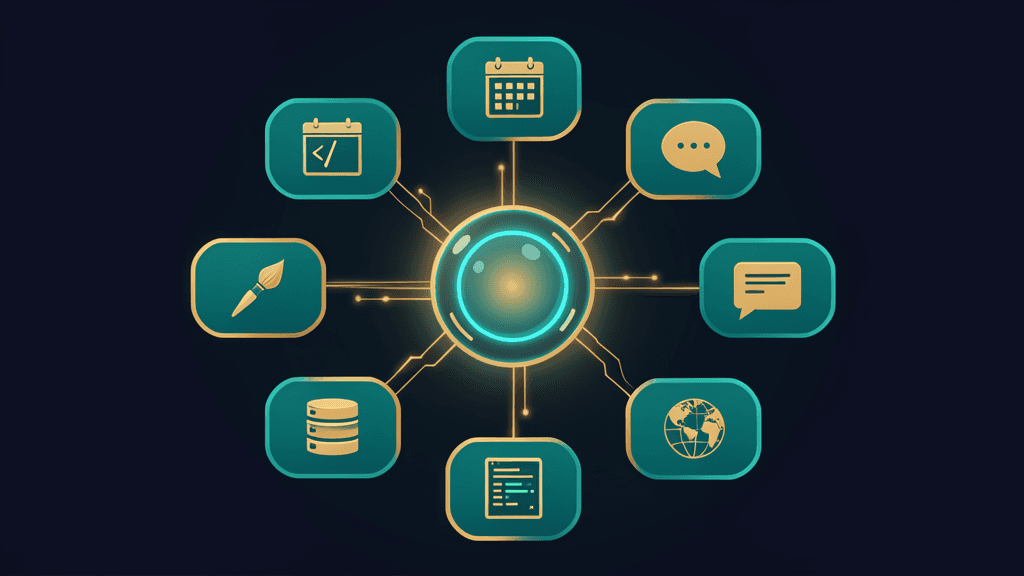
November 2026 was the month AI agents stopped being demos and started doing real work — paying, entering websites, joining meetings, running workflows. Here is the map of what crossed the line, what it means for small business, and where the human stays.
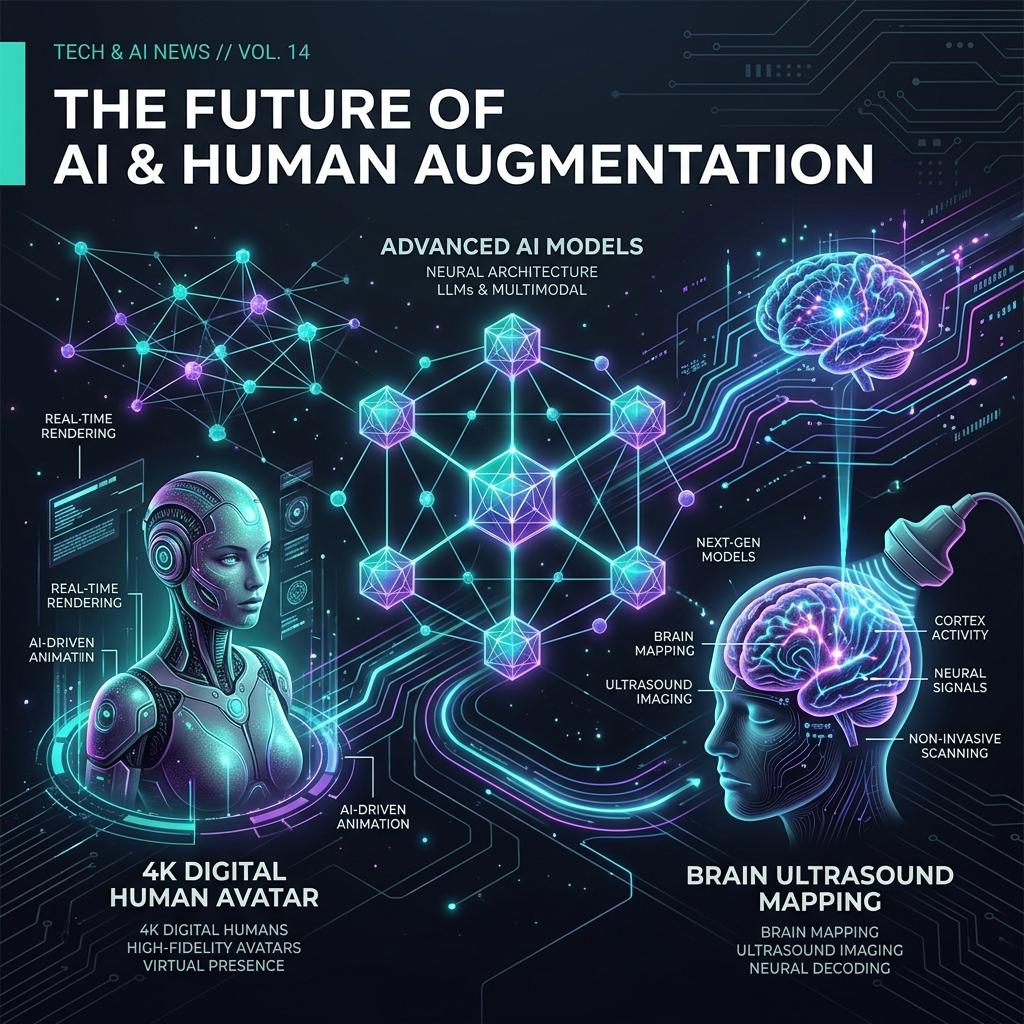
The AI developments from November 2026 that actually matter: ChatGPT Wallet, Gemini 4 Hydrogen, Anthropic enterprise agents, the Poppy protocol, AI training opt-out tokens, and the shift from conversation to execution.
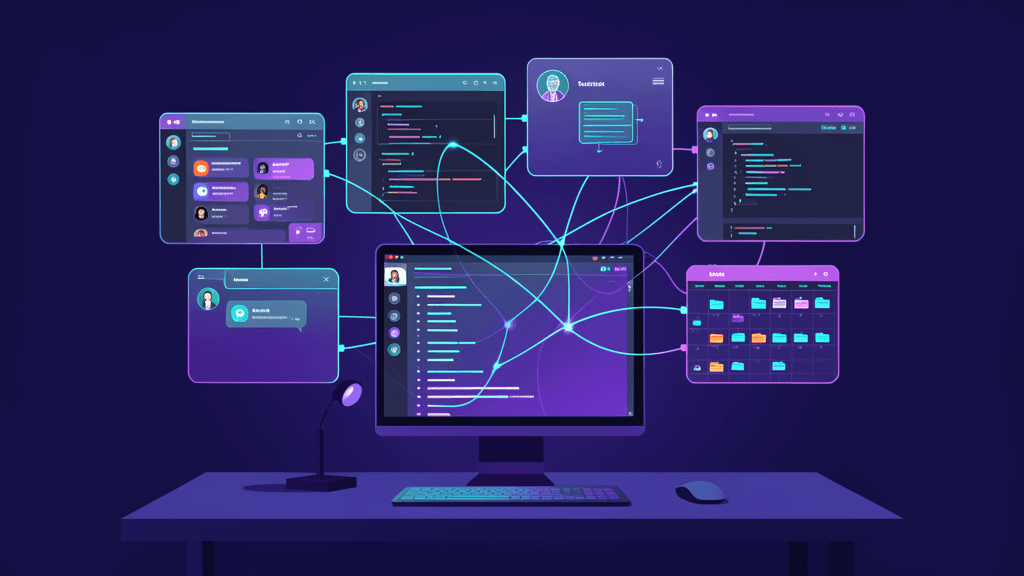
A hands-on review of Tencent's WorkBuddy AI desktop workspace: what it does well, where its boundaries are, and how it fits into the five-workflow framework from the 230-article audit.
An editor's audit of 230 published AI articles: the five repeatable workflows that still hold up at the end of 2026, the three categories I stopped writing about, and a short reading path to start from.
Five ready-to-use prompt templates so non-technical people can get genuinely useful work done with AI instead of endlessly tweaking wording.
Use ChatGPT to shape a game brief and Codex to implement a small Godot 3D prototype, with prompts, playtest checks, asset guidance, and export steps.
A practical voice-preservation workflow for expanding a blog draft with AI while keeping your angle, rhythm, and point of view intact.
How a Malaysia SME can draft customer-reply emails with AI without sounding robotic — a voice-first workflow with prompt templates and a human sign-off rule.
A simple three-zone framework for deciding what AI may add to your drafts, what it may draft for you to verify, and what only you can write.

The AI agent market hit $10.9B in 2026, but 70–95% of deployments fail in production. A data-driven look at why agents fail, and the boring operational discipline that separates the 12% who succeed.
Hermes Agent is an open-source AI agent that runs in your terminal and on Telegram, WhatsApp, and a dozen other platforms. Here's how to install it on a Hostinger VPS so it runs 24/7, keeps its own memory and skills, and never shuts down when you close your laptop.
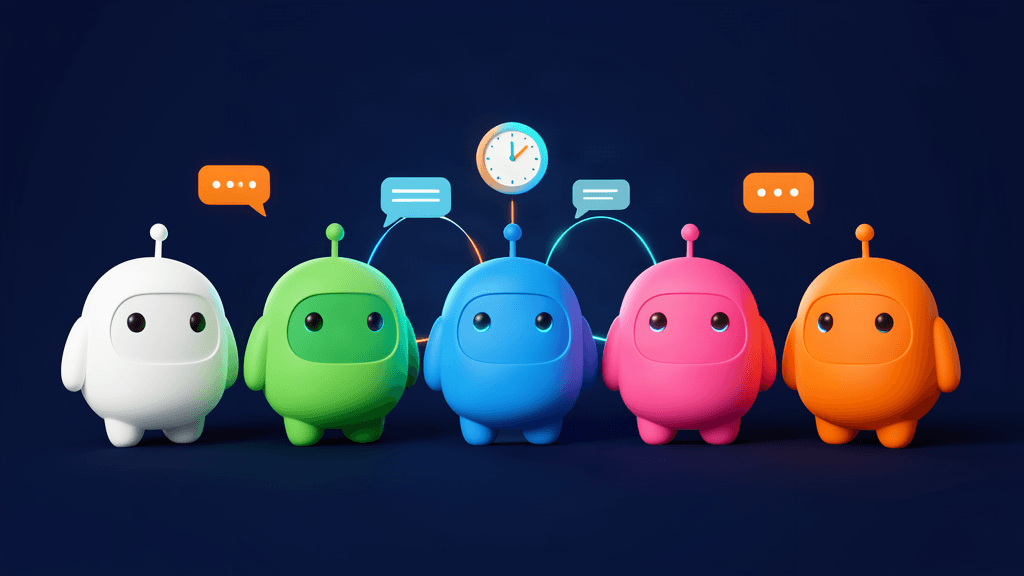
Hermes Agent's Bot Mode turns every Hermes profile into a named bot with its own role, model, memory, skills, and avatar. Bots run recurring routines, deliberate together in group chats, and message each other directly — even across machines. There is no new primitive to learn: a bot is a profile, so everything is visible from the command line too.
The idea and MVP stages are where AI-native founders most often fail — by treating a working prototype as validation. Here is how Anthropic's Playbook frames idea-to-MVP discipline, and how it maps onto harness engineering for lean teams.

At launch and scale, the AI-native founder's danger flips: the hands-on builder becomes the bottleneck. Anthropic's Playbook shows how to build systems that run without you — which is harness engineering for the company, not just the code.

Anthropic's 2026 Founder's Playbook reframes the AI-native founder as an orchestrator of agents, not a doer. Here is what that shift means for Malaysian solo founders and SMEs, and why it is really a harness-engineering problem.
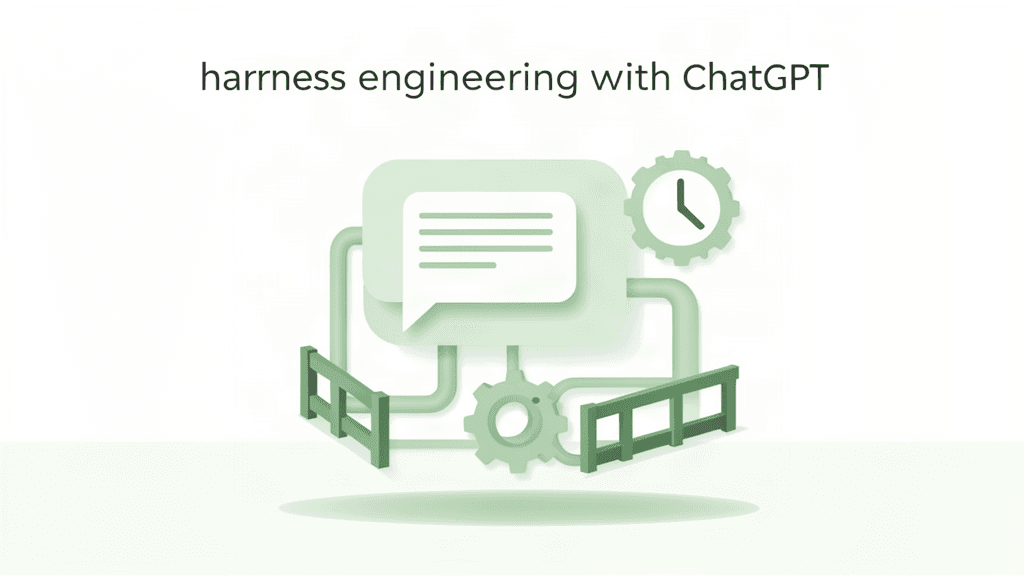
ChatGPT is a powerful model but a thin harness by default. Learn how to build a harness around ChatGPT using custom instructions, Projects, connectors, and external checks so it does repeatable, verified work instead of one-off answers.
Hermes Agent by Nous Research bundles many harness-engineering layers out of the box: persistent memory, skills, tool execution, scheduled jobs, and cross-platform messaging. Learn how to use Hermes as a ready-made harness for reliable AI work.
Harness engineering is the discipline of building the environment, feedback loops, and guardrails around an AI model. Learn what a harness is, why it decides whether an agent succeeds in production, and the parts every good harness needs.
A complete guide to the WordPress AI ecosystem in 2026: the official AI Experiments plugin hits 0.6.0, WordPress 7.0 lays the AI core infrastructure, and third-party plugins like AI Engine, GetGenie, and AI Power offer mature alternatives for every use case.

From Kuala Lumpur to Singapore, Kimi K3 is leveling the playing field for developers across Southeast Asia. Here's why this open-weight model is a game-changer for our region's tech ecosystem.
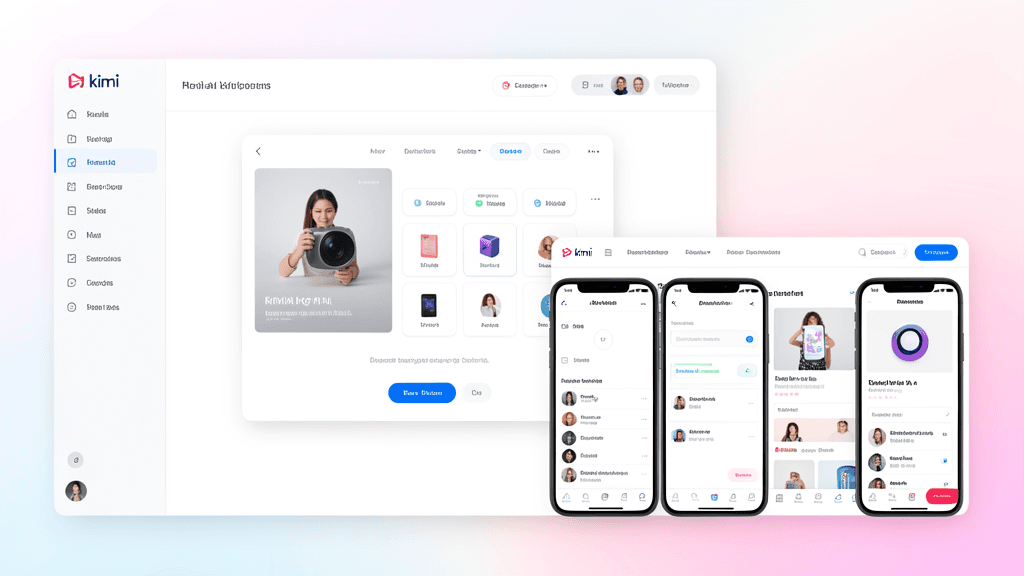
Moonshot AI's Kimi Websites can generate fully functional, responsive sites from text prompts, screenshots, or videos. Here's a comprehensive look at its features, workflow, and what developers need to know.
From Apple's product pages to automotive brands, immersive 3D websites are transforming the web. Kimi K3 and other AI tools are making this accessible to everyone. Here's why you should care.
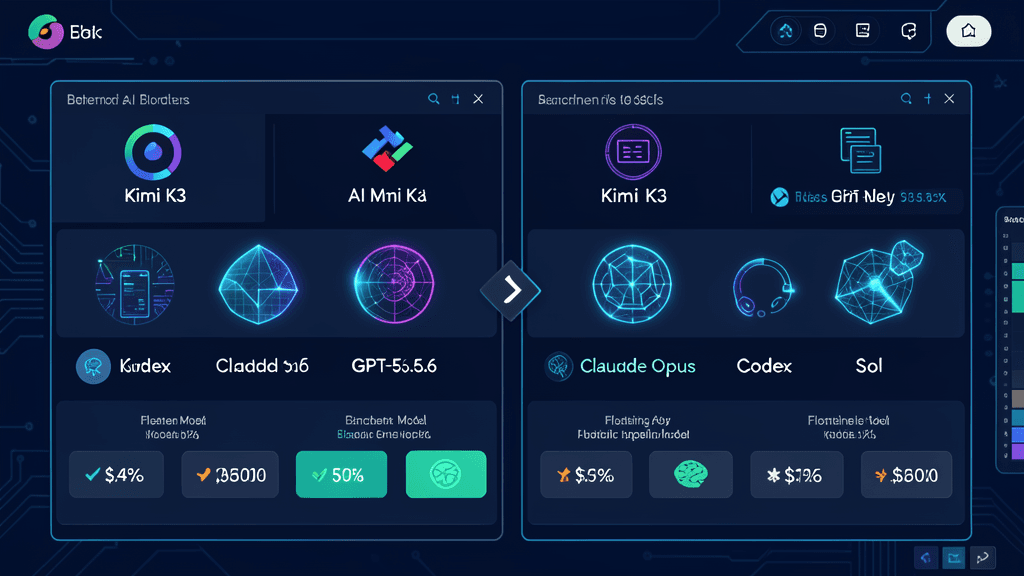
A practical, developer-focused comparison of Kimi K3, Claude Opus 4.8, and Codex (GPT-5.6 Sol) for web design and game development — what each excels at and when to use which.
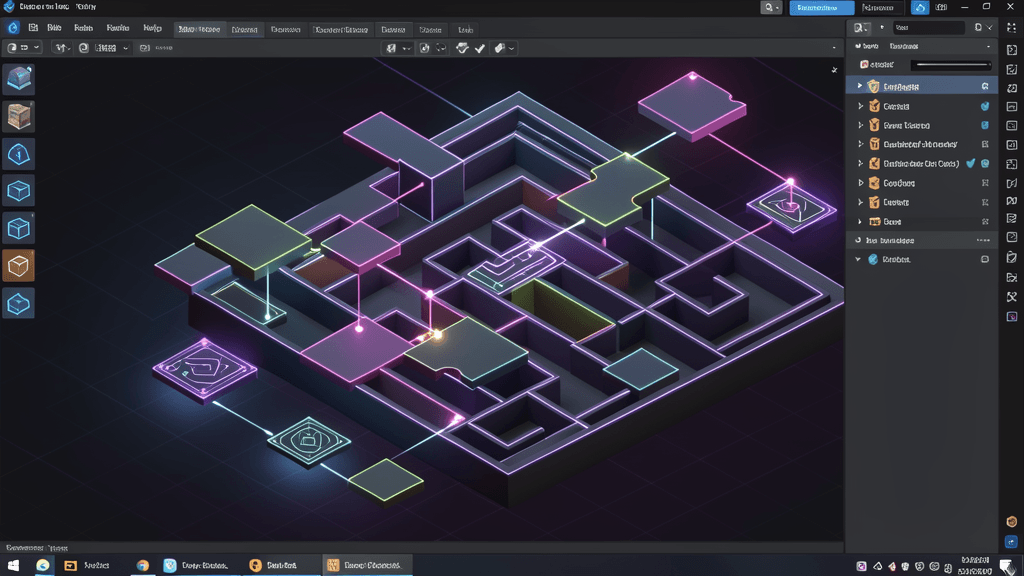
Kimi K3 can build playable 3D games from a single text prompt — complete with 3D reasoning, vision-in-the-loop iteration, and seamless code-screen iteration. Here's how it works and why it's a game-changer.
Moonshot AI's Kimi K3 turns one prompt into cinematic 3D websites. Here's what it can do, how it compares, and why developers should care.
A complete step-by-step guide to using Tencent's HY-World 2.0 — from registering an account, uploading an image, waiting for generation, to downloading and exporting. No 3D experience needed.

After text and images, AI's next leap is spatial intelligence — models that generate explorable 3D worlds. Here is a clear map of the space: World Labs' Marble, Tencent's Hunyuan World, Google DeepMind's Genie 3, and why this matters for creators, developers, and everyday users.

Blender MCP connects AI assistants to Blender 3D through the Model Context Protocol. Type 'create a low-poly dungeon with a dragon' and watch it happen. Here is how to set it up, what it can do, and why it matters for creators.
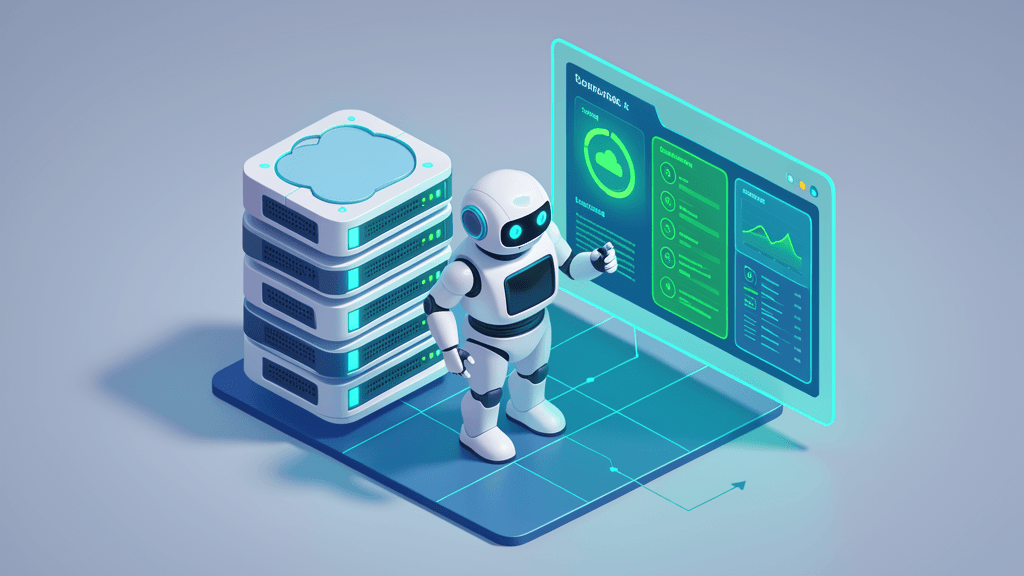
A VPS does not fail when it is convenient. Learn how an AI agent like Hermes can own your server health — running scheduled checks, catching problems early, and even fixing them — so your sites stay up without you babysitting a dashboard.

Tencent's HY-World 2.0 turns text, an image, or a video into a persistent, explorable 3D world that exports to Unity and Unreal Engine. Here is what it does, who it is for, and why it matters for small creators.
A practical breakdown of Stefan 3D AI's YouTube video on building a playable 3D platformer prototype in 72 hours with AssetHub, Blender, Unreal Engine 5.8 MCP, and Claude Code.

A practical breakdown of my AI YouTube Shorts workflow: OmniVoice clones my voice, ChatGPT Image 2 generates the image, LTX 2.3 turns audio and image into a lipsynced video, and CapCut handles post-production.
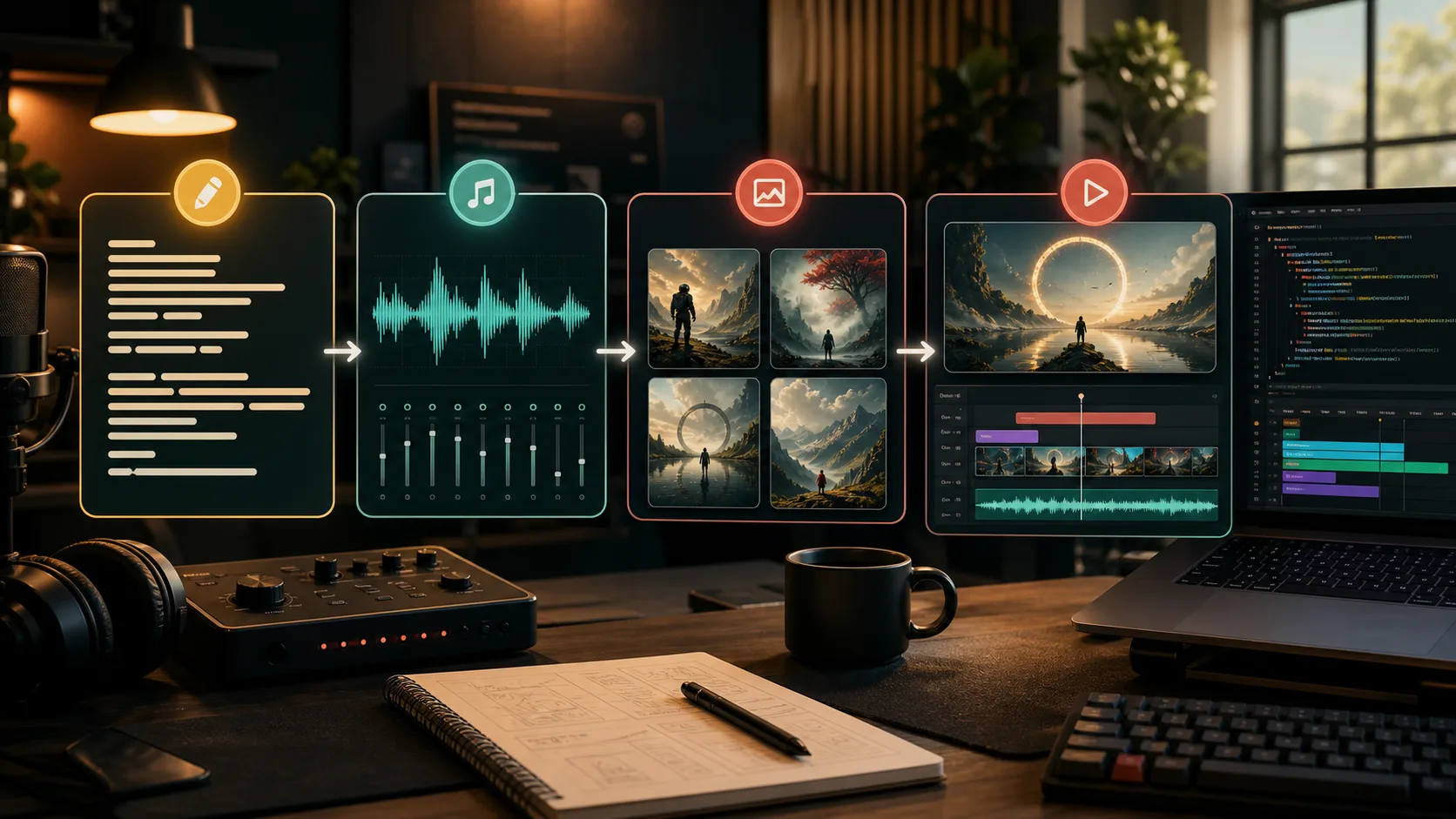
A practical breakdown of my experimental open-source AI production flow: ChatGPT writes the lyrics, Ace-Step 1.5 creates the music, ChatGPT Image 2 generates the visuals, and Remotion turns everything into video.
AI agents do more than answer questions. They can plan steps, use tools, handle information and help complete tasks. Here is a practical explanation for everyday users and small businesses.

AI is no longer only about smarter models. It is starting to handle research, images, files and multi-step tasks. These are the five trends that matter for everyday users, small businesses and creators.

I tested ChatGPT Images 2.0 and Nano Banana Pro for product leaflet design. Both can create attractive visuals, but ChatGPT Images 2.0 renders clearer text with fewer strange symbols and broken characters.

GEO stands for Generative Engine Optimization. Learn how to make your website easier for Google AI Overviews, AI Mode and ChatGPT Search to discover, understand, cite and link to.

Good AI prompts do not need to be complicated. Use this five-step framework for everyday work: goal, context, source information, constraints and output format, with practical templates you can adapt.

Anthropic officially releases Claude Opus 4.8. This upgrade focuses on improving Agentic’s agent capabilities, coding and honesty, marking AI’s transition from an ‘answer tool’ to a ‘reliable work partner’.

Many people give up using AI because of its shortcomings (such as stiff expressions, confusing logic, and poor consistency). However, smart creators know how to transform limitations into unique art forms and low-cost hits.
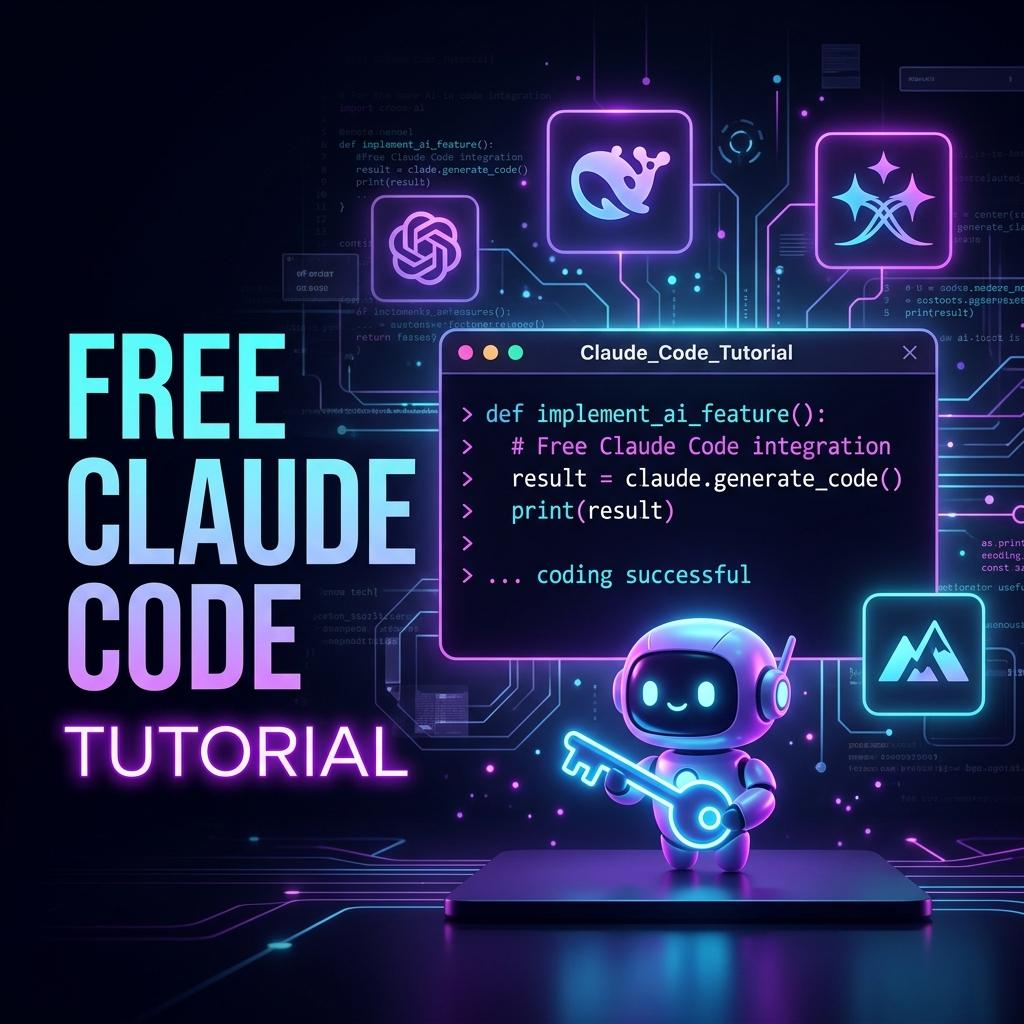
Teach you in detail how to run the official Claude Code CLI in a local terminal or VSCode for free or at low cost through the open source proxy tool Free Claude Code, which supports 17 mainstream large model backends.